The Cut That Saves the Film: How Indie Directors Are Rewriting Everything in the Edit
There's a myth that gets passed around film schools and Reddit threads like it's gospel: a great film is made in pre-production, captured in production, and simply assembled in post. Tidy. Linear. Logical.
And almost entirely wrong.
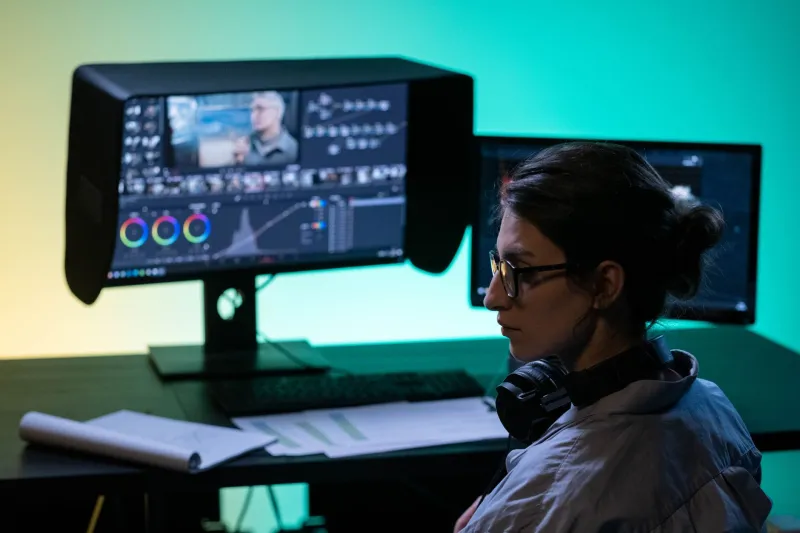
Ask any editor who's worked on a scrappy indie project — the kind where the budget ran out before the third act and half the coverage got lost to a dying hard drive — and they'll tell you the real story. Post-production isn't where you put the movie together. It's often where you figure out what the movie actually is.
That shift in thinking is gaining serious traction among independent filmmakers across the US, and it's producing some of the most inventive storytelling in the game right now.
When the Script Stops Being the Bible
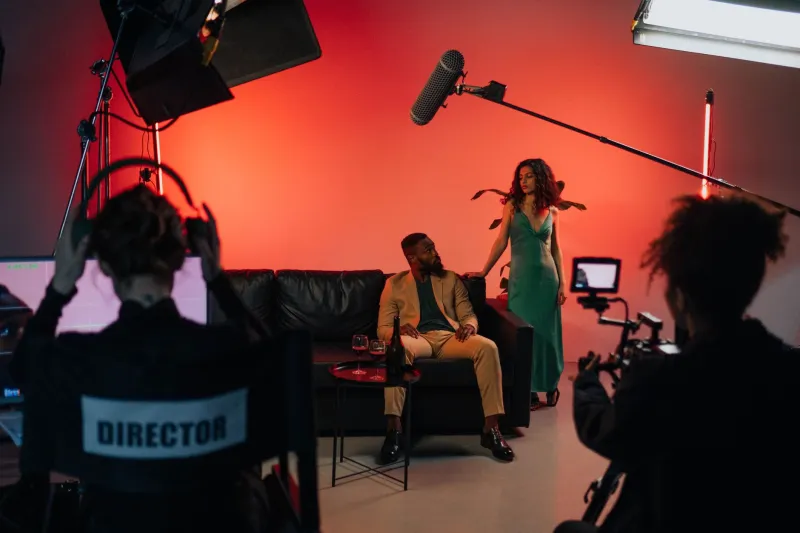
For a lot of indie directors, the script is sacred going into production. It has to be — you've got limited shooting days, a crew working for favors and future credits, and locations that are only available on a Tuesday. You follow the plan.
But then you get into the edit, and something feels off. A character who read as sympathetic on the page lands as irritating on screen. A subplot that seemed essential is actually just noise. The emotional climax you shot over two days isn't landing the way you imagined it in your apartment at 2 a.m.
This is the moment a lot of first-time filmmakers panic. Experienced indie directors? They get to work.
"The edit is where I actually write the movie," says one Brooklyn-based director whose debut feature went through three structural overhauls before it found its final shape — a nonlinear format that wasn't even part of the original concept. "We shot it straight. We cut it into something else entirely. And honestly, the version we ended up with is so much more honest than what I wrote."
That kind of radical openness to restructuring is becoming a hallmark of the most exciting low-budget work coming out of the indie world right now.
Rearranging the Furniture — and Knocking Down Walls
One of the most powerful tools in a filmmaker's post-production arsenal is chronology — specifically, the willingness to blow it up. Linear storytelling is the default, but it's not always the most emotionally true way to tell a story.
Several recent micro-budget features have found their identity through nonlinear restructuring discovered entirely in post. A film originally shot as a straightforward coming-of-age drama became something far more layered when the editor — working with the director over several late-night sessions — started pulling scenes out of sequence and finding new thematic resonances between moments that were never meant to speak to each other.
The result was a film that felt less like a story being told and more like a memory being excavated. That's not something you can always plan. Sometimes it's something you stumble into when you're brave enough to treat your footage as raw material rather than finished content.
Pacing is another place where indie filmmakers are doing genuinely radical work. Hollywood has its rhythms — the beat sheet, the act breaks, the two-hour runtime that nobody questions. Independent cinema doesn't owe any of that anything. Some of the most talked-about low-budget films of recent years have weaponized slow pacing, letting silence and stillness do work that dialogue never could. Others have gone the opposite direction, cutting so fast and loose that the viewer has to lean in just to keep up.
Both approaches, when they work, come from the same place: a willingness to let the edit dictate the tempo rather than forcing the footage into a predetermined shape.
The Voice-Over That Wasn't There
Here's a trick more indie filmmakers are reaching for: voice-over written and recorded entirely in post, after watching the cut dozens of times and realizing something's missing.
It's not a new technique — documentarians have done it forever — but it's making an interesting comeback in narrative indie work. When a character's internal life isn't coming through in performance, or when a scene needs context that there simply wasn't time or budget to shoot, a well-placed voice-over can do the heavy lifting without feeling like a cheat.
The key, filmmakers who've used it successfully will tell you, is that the voice-over has to feel like it belongs to the film as it exists — not like a patch covering a hole. That means writing it after the cut is close to locked, listening to what the film is already saying, and finding language that deepens rather than explains.
When it works, audiences don't notice it was an afterthought. They just feel like they understand the character better.
Sound as Rewrite
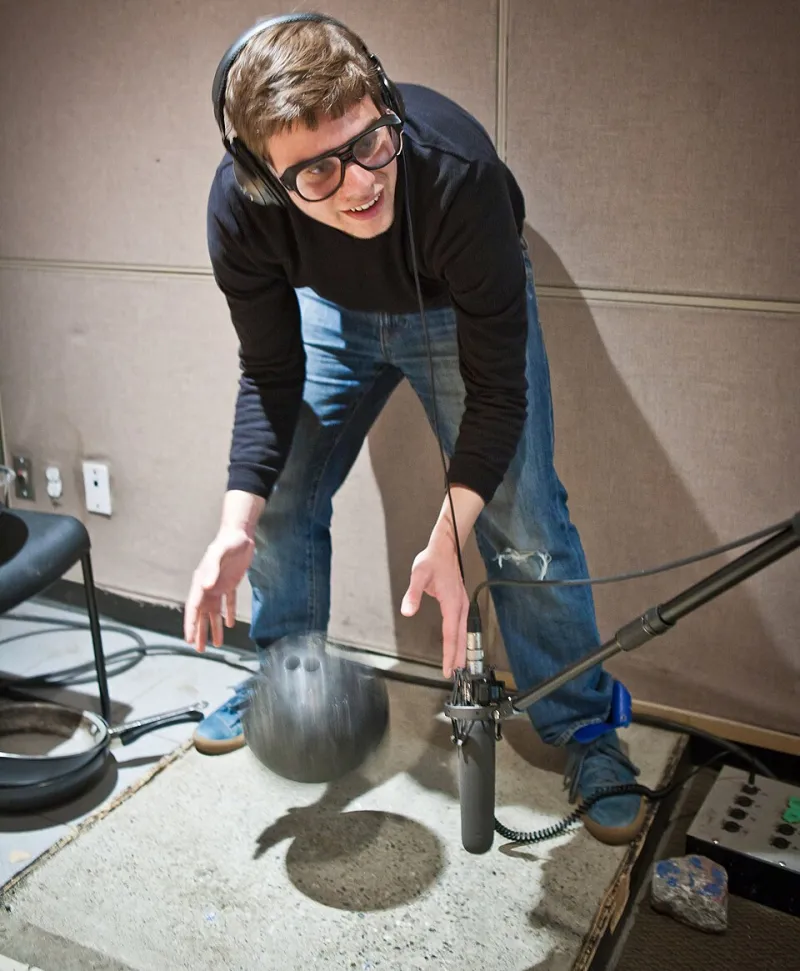
Editing isn't just picture. The sound design and score choices made in post can fundamentally alter the emotional meaning of a scene — which means they're also storytelling decisions, not just finishing touches.
A scene that played as tense on set can become melancholy with the right score underneath it. Ambient sound can shift a location from threatening to lonely. Silence — real silence, the kind that takes discipline to commit to — can make an audience feel things that no music cue ever could.
Indie filmmakers working with composers and sound designers who understand this aren't just finishing their movies in post. They're writing new emotional layers into them.
Give Yourself Permission to Find It Late
The pressure to have everything figured out before the cameras roll is real — especially when you're working with limited resources and a crew that's counting on you to have a vision. But the filmmakers doing the most interesting work right now are the ones who show up to the edit with strong instincts and genuine humility about what the footage is actually telling them.
The edit is a conversation between what you intended and what you made. The best indie films happen when directors are willing to listen to that conversation and follow it wherever it goes — even if that means scrapping the structure, reordering the story, or discovering that the movie you actually made is better than the one you planned.
The cameras stop rolling. The real writing begins.
That's not a failure of preparation. That's cinema doing what it does best: surprising you.