Hear This: How Indie Filmmakers Are Making Sound Design Their Secret Weapon
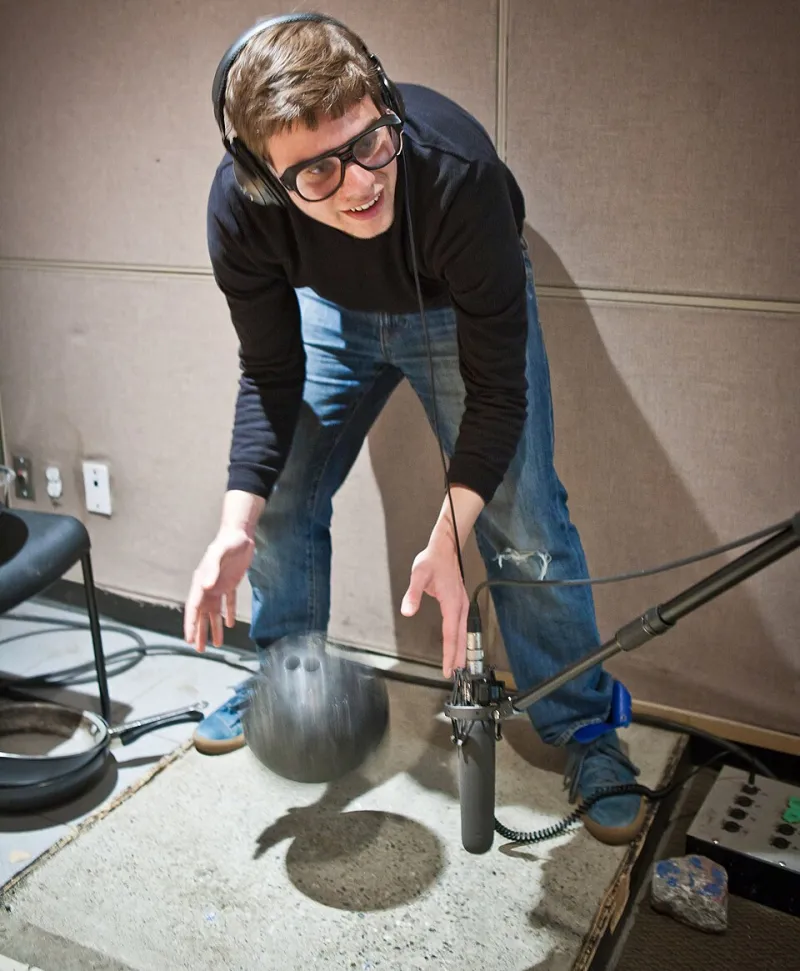
Photo: Vancouver Film SchoolRetouched version by User:Quenhitran., CC BY 2.0, via Wikimedia Commons
Ask any seasoned filmmaker what audiences notice first when something feels "off" about a movie, and they'll almost always say the same thing: sound. Not shaky camera work. Not flat lighting. Sound. A bad audio mix can torpedo an otherwise beautiful film faster than any plot hole, and for years that reality felt like a death sentence for indie creators working without a professional mixing stage and a six-figure post-production budget.
But something is shifting. Quietly, almost under the radar, a generation of independent filmmakers is flipping the script on what's sonically possible when you're working with limited resources. They're not faking it or settling for "good enough." They're building genuinely immersive soundscapes — and in some cases, outperforming their studio counterparts in the process.
The Gear Gap Is Closing Fast
Let's start with the tools, because the hardware story is legitimately exciting. Five years ago, getting clean, broadcast-quality audio on a tight budget meant compromising somewhere — usually everywhere. Today, that's just not true.
Field recorders from brands like Zoom and Tascam have become the indie filmmaker's best friend. The Zoom H6, which runs around $250 new, captures multi-channel audio at a quality level that would have required thousands of dollars worth of equipment a decade ago. Pair that with a decent shotgun mic — a Rode NTG3 or even the more affordable NTG2 — and you're already operating in a range that, with proper technique, can hold its own in a theatrical mix.
Sound designer Maya Okafor, who's worked on four indie features out of Atlanta in the past three years, puts it bluntly: "The budget ceiling for professional-sounding audio has dropped dramatically. The difference between a $300 setup and a $3,000 setup is real, but it's not insurmountable if you know what you're doing. Skill and creativity still matter more than gear."
That mindset — prioritizing craft over equipment — is exactly what's driving the indie audio revolution.
Foley Gets Weird (In the Best Way)
If there's one area where indie filmmakers are genuinely getting creative in ways that surprise even veterans of the industry, it's foley. The art of recording sound effects live — footsteps, fabric rustles, the crack of a door hinge — has always been a staple of professional post-production. But traditionally, it required a dedicated foley stage with specialized surfaces, props, and an experienced artist.
Indie teams are throwing that rulebook out entirely.
Take Chicago-based director and sound designer Theo Vasquez, who's become something of a cult figure in regional filmmaking circles for his obsessive approach to DIY foley. For his 2023 thriller Hollow Ground, Vasquez recorded nearly every sound effect himself over three weeks in his apartment, using everything from a bag of dry pasta to simulate gravel footsteps to a leather jacket crumpled next to a microphone for the sound of a character's skin pressing against a car seat.
"People assume that professional foley sounds professional because of the equipment," Vasquez says. "But a lot of it is just problem-solving. You're asking: what does this moment feel like? And then you find the thing that creates that feeling, whatever it is."
His results speak for themselves — Hollow Ground screened at seven regional festivals and won two sound awards, beating out films with budgets ten times higher.
The Room You're Already Standing In
One of the most underutilized resources in indie sound design isn't a piece of gear at all. It's the acoustic environment itself.
Amateur recordings often suffer not because of microphone quality but because of the space where they're captured. Hard walls, HVAC hum, street noise — these are the real enemies. But skilled sound designers have learned to turn environmental quirks into creative assets.
Recording in a bedroom closet packed with clothes? That's a free vocal booth. A parking garage at 2 a.m.? That reverb is free and it's extraordinary. A kitchen with tile floors and running water creates a specific kind of sonic texture that no plugin can fully replicate.
Sound mixer and post-production specialist Renee Calloway, based out of Portland, Oregon, teaches a workshop specifically on location-based sound strategy for indie teams. "I tell filmmakers: before you spend a single dollar on acoustic treatment, walk around the spaces you already have access to and listen. Really listen. You'll be amazed what's already there."
Calloway's approach has helped dozens of low-budget productions punch above their weight class in post, and her philosophy is catching on fast in indie circles nationwide.
Software Is Doing Heavy Lifting Now
Beyond recording, the post-production side of audio has undergone its own quiet revolution. Software tools that were once exclusively available to major studios are now accessible at consumer price points — or free entirely.
DaVinci Resolve's Fairlight audio suite, included free with the standard version of the software, offers a professional-grade mixing environment that would have been unimaginable as a no-cost tool even five years ago. iZotope's RX suite — long considered the industry standard for audio repair and noise reduction — now offers a more affordable Elements version that handles many of the most common indie audio problems: background noise, clipping, room tone inconsistencies.
And then there's the rapidly expanding world of AI-assisted audio tools. Plugins like Accusonus ERA Bundle can clean up a problematic location recording in minutes, not hours. These aren't magic — they won't save a truly catastrophic recording — but they've dramatically raised the floor for what's recoverable.
"Five years ago, if you handed me some of the location audio I get from indie productions today, I would have told them to ADR the whole thing," says Calloway. "Now I can usually salvage it into something genuinely usable. The tools have changed the math entirely."
Sound as Storytelling
Here's the thing that separates the indie filmmakers who are truly winning the audio game from those who are just surviving it: they treat sound as a narrative tool, not a technical checkbox.
The best indie sound work isn't just clean — it's intentional. It's the decision to let a scene breathe in near-silence before a confrontation. It's the choice to layer a specific ambient texture that tells you exactly where a character is emotionally without a single line of dialogue. It's understanding that what you don't hear is just as powerful as what you do.
Maya Okafor describes her process as starting with what she calls a "sonic script" — a pass through the screenplay where she maps out the emotional function of sound in every major scene before a single frame is shot. "By the time we're in production, I already know what this film needs to sound like. That means I'm making intentional decisions on location, not just hoping for the best."
That level of intentionality is what turns a technical limitation into a creative edge. And it costs exactly nothing.
The Takeaway
The indie filmmakers who are rewriting the rules of sound design aren't doing it because they have more money than everyone else. They're doing it because they've stopped treating audio as an afterthought and started treating it as a core part of their creative vision.
The tools are there. The knowledge is more accessible than it's ever been. The only thing standing between a great-sounding indie film and a mediocre one is the willingness to take sound seriously from day one — in pre-production, on set, and in post.
In a world where audiences are increasingly watching films on phones and laptops with decent earbuds, the filmmakers who nail their audio aren't just competing with other indie productions. They're competing with everything. And the ones paying attention? They're winning.