Who Gets to Tell the Story? The Indie Film World's Representation Gap and the Filmmakers Closing It
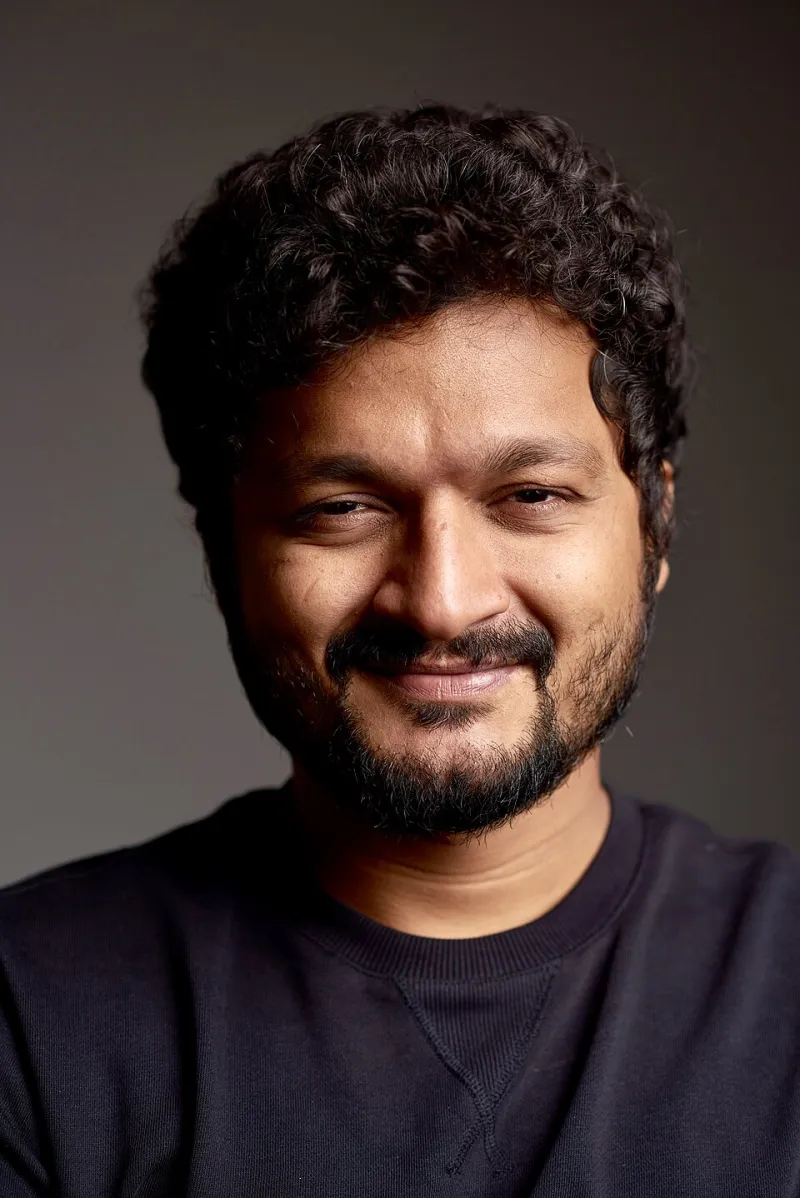
Photo: The Film Magazine Network, PDM-owner, via Wikimedia Commons
There's a version of the indie film world that sounds like a meritocracy. No studio executives, no franchise obligations, no test screenings designed to sand down every rough edge. Just a filmmaker, a vision, and the freedom to make something real. It's a compelling pitch. It's also, for a lot of filmmakers, not the full picture.
The uncomfortable truth is that independent cinema has its own gatekeepers — and they're just quieter about it. Film festival selection committees, arthouse distributors, press outlets, and grant committees all shape which stories get amplified and which ones stay buried. And when you look at who's consistently on the receiving end of that amplification, the numbers aren't exactly a reflection of America.
According to USC Annenberg's Inclusion Initiative, the gap in representation behind the camera — particularly for directors and writers from communities of color, LGBTQ+ backgrounds, and people with disabilities — remains stark even in the indie space, which prides itself on being different. The problem isn't just Hollywood. It's the whole ecosystem.
But here's what's also true: some of the most energized, intentional work happening in American cinema right now is being done by filmmakers who have decided to stop waiting for the ecosystem to fix itself.
The Distribution Bottleneck Nobody Talks About
Making a film is hard. Getting it seen is a different kind of hard — and for filmmakers from underrepresented communities, the obstacles compound fast.
Traditional indie distribution still tends to funnel through a handful of major festival premieres (Sundance, SXSW, Tribeca), which then attract press coverage, which then attracts distributor interest. It's a chain reaction that can launch a career. But getting into those festivals in the first place requires resources — submission fees, travel, polished screeners, industry connections — that aren't equally distributed.
Even filmmakers who do break through often find that distribution deals don't come with the marketing muscle to reach audiences beyond the coastal arthouse circuit. A film about a Black family in rural Mississippi or a queer Latinx community in the Midwest might get a glowing review in a film publication read almost exclusively by people who already go to arthouse cinemas. The audiences who might connect most deeply with those stories never hear about them.
That's not just an equity problem. It's a creative and commercial failure. American audiences are more diverse than ever, and the demand for stories that reflect that diversity is real and growing. The gap between supply and reach isn't about appetite — it's about infrastructure.
Building the Infrastructure from Scratch
Faced with that reality, a growing number of filmmakers aren't waiting around. They're building distribution networks, screening circuits, and community partnerships designed specifically to get films to the audiences they're made for.
Directors like Numa Perrier — whose work explores Black womanhood with a specificity rarely seen on any screen — have talked openly about the deliberate choices involved in self-distribution: partnering with Black-owned theaters, coordinating with community organizations, and treating the theatrical release as an event rather than just a transaction. The goal isn't just to make money. It's to create an experience that signals to audiences: this film was made with you in mind.
Collectives like the Blackhouse Foundation and Outfest have spent years creating alternative infrastructure — funding, mentorship, and screening opportunities specifically designed for filmmakers who don't fit the default indie mold. These aren't charity programs. They're pipeline investments, and the films coming out of them are some of the most vital work in American cinema.
Community-focused premieres have become another powerful tool. Instead of opening in a single arthouse theater in a major city, some filmmakers are doing coordinated releases in the specific communities their films are about — church halls, community centers, university campuses, local theaters in cities that rarely get indie film attention. It changes the entire energy around a release. It tells audiences that the film belongs to them, not just to critics.
Behind the Camera Is Where It Starts
Representation on screen matters. Representation behind the camera matters more, and for reasons that go beyond optics.
When a film crew is predominantly made up of people who share a single cultural background, the stories they tell — even with the best intentions — tend to carry the blind spots of that background. The texture of lived experience that makes a film feel true rather than observed comes from people who have actually lived it.
Filmmakers like Elegance Bratton (The Inspection) and Chloé Zhao (Nomadland) have spoken about how the specific cultural knowledge they brought to their projects shaped every element of production, from casting to location choices to the rhythms of dialogue. That knowledge isn't something you can hire a consultant to approximate. It has to come from the creative core.
Programs that invest in diverse emerging filmmakers — the Sundance Institute's Feature Film Program, Film Independent's Project Involve, and newer initiatives like the Hillman Grad Mentorship Lab — understand this. They're not just checking boxes. They're acknowledging that the stories American cinema is missing are missing because the people who would tell them haven't been given the tools and access to tell them.
What Audiences Can Actually Do
This isn't just a filmmaker problem. Audiences have more power in the indie ecosystem than they often realize.
Seeking out films from underrepresented directors — not as an act of charity but as an act of genuine curiosity — shifts demand signals in ways that matter. Subscribing to platforms like ARRAY (Ava DuVernay's distribution company focused on films by women and people of color) or supporting community film organizations financially puts real resources into alternative infrastructure. Showing up to screenings at independent cinemas that program diverse work tells those theaters that this content draws audiences.
Word of mouth has always been indie film's most powerful marketing tool. When communities talk about films that reflect their own lives, those conversations reach people no algorithm would have targeted. That's not a workaround. That's the whole point.
The Bigger Picture
Independent cinema's promise has always been that it exists outside the commercial pressures that homogenize mainstream storytelling. But that promise only holds if the freedom it offers is actually accessible to everyone — not just to filmmakers who already have the connections, the capital, and the cultural proximity to the people making the decisions.
The filmmakers working to close the representation gap aren't asking for a handout. They're asking for the indie world to live up to its own stated values. Cinema that dares to be different should, by definition, look different — behind the camera, on the screen, and in the audiences filling the seats.
America contains multitudes. Its independent cinema should too.