Pixels vs. People: How Indie Filmmakers Are Navigating the AI Storm on Their Own Terms
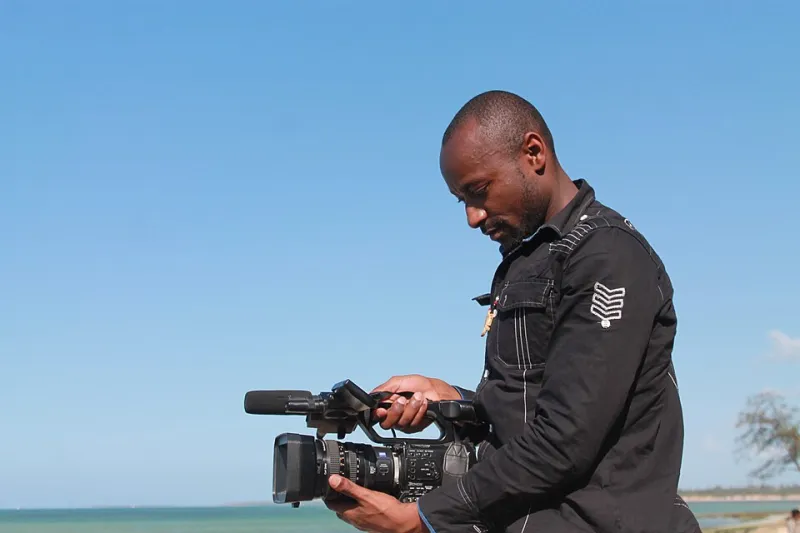
Photo: Thukuk, CC BY-SA 4.0, via Wikimedia Commons
Let's be honest — nobody asked for this conversation. A couple of years ago, indie filmmakers were mostly worried about crowdfunding fatigue and whether their festival screener links were going to expire before the right programmer clicked on them. Now they're sitting in coffee shops arguing about whether using an AI color grading tool makes them a sellout or a genius.
Welcome to cinema in 2025, where the most disruptive force in the industry isn't a billionaire studio exec or a streaming algorithm. It's a chunk of software that can write your screenplay, clone your lead actor's voice, and cut your trailer — all before you've finished your morning coffee.
The question isn't whether AI is here. It's already here. The real question is what independent filmmakers — the people who built their entire identity around human creative vision — are going to do about it.
The Threat Is Real, and Indie Creators Know It
For big studios, AI is a cost-cutting dream. Why hire a composer when you can generate a score? Why pay background actors when you can populate a crowd scene digitally? The writers' and actors' strikes of 2023 cracked open just how seriously the major players were considering these options, and the battle lines drawn then haven't really dissolved.
For indie filmmakers, the stakes feel even more personal. A lot of these creators are already working with skeleton crews, self-financing, and building their audiences one Instagram reel at a time. Their competitive advantage has always been authenticity — the raw, human messiness that no studio algorithm can manufacture. So when AI starts encroaching on that territory, it cuts deep.
There's also the deepfake problem, which is genuinely unsettling. Imagine spending three years building a recognizable face as an emerging actor or director, only to have your likeness used in content you never approved. For filmmakers without legal teams or major representation, protecting their image and their collaborators' images is a real vulnerability that the industry hasn't figured out how to address fairly.
Grassroots communities like the ones forming around platforms such as Itch.io's film-adjacent spaces, Discord servers for indie directors, and filmmaker collectives in cities like Austin, Chicago, and Portland are increasingly circulating informal ethics frameworks — basically homegrown guidelines about what AI use feels okay and what crosses a line. It's not a perfect system, but it's something, and it's very much in the spirit of how indie culture has always operated: bottom-up, scrappy, and deeply communal.
But Some Rebels Are Flipping the Script
Here's where it gets genuinely interesting. While plenty of independent filmmakers are drawing hard lines against AI, a growing contingent is doing something bolder — they're weaponizing it.
Think about the production economics for a second. A first-time director working with a $40,000 budget used to be locked out of certain visual possibilities entirely. Elaborate visual effects, complex sound design, even professional-grade color grading were gatekept by cost. AI tools are genuinely democratizing some of that. Tools like Runway ML, Descript, and Adobe's AI-assisted features aren't perfect, but they're putting capabilities in indie filmmakers' hands that used to require a six-figure post-production budget.
Some creators are going even further, treating AI not as a threat to their artistic voice but as a new kind of collaborator — a weird, unpredictable one that sometimes generates something genuinely surprising. Experimental filmmakers in particular are leaning into this, using AI-generated imagery as a stylistic choice that comments on the technology itself. It's a bit like how punk musicians embraced lo-fi recording not despite its limitations but because of them.
There's also a practical marketing angle that younger indie filmmakers are quietly exploiting. AI tools for generating promotional materials, localized subtitles, and even social media content mean that a two-person operation can now produce the kind of multi-platform rollout that used to require a publicist. That's not nothing when you're trying to get your film seen.
The Ethics Aren't Going Away
None of this means the ethical dilemmas just dissolve because some people are finding clever uses for the technology. They don't.
The consent issue around training data is a legitimate grievance. Many AI image and video models were trained on creative work scraped without permission, which means every time someone uses these tools, there's an argument that they're benefiting from a kind of mass creative theft. For indie filmmakers who rely on the principle that original creative work deserves protection and compensation, that's a hard pill to swallow — even if the tool itself is useful.
There's also the labor question. Indie productions might be small, but they still employ people — editors, composers, sound designers, colorists. If AI tools start replacing those roles rather than augmenting them, the ripple effects hit people who are already working in a financially precarious industry. The conversation about AI in cinema can't just be about directors and producers. It has to include the entire ecosystem of craft workers who make films happen.
Some filmmakers are responding to this by being radically transparent about their AI use — listing it in their credits, discussing it openly in press materials, and actively engaging their audiences in the conversation. It's a form of accountability that feels very indie in spirit: if you're going to do something unconventional, own it.
What Comes Next
The indie film world has always been defined by its willingness to operate outside the rules — to find beauty in constraint, to tell stories that the mainstream won't touch, to build community where the industry sees only a niche market. That instinct isn't going anywhere.
What's changing is the terrain. The tools are different, the threats are different, and the opportunities are genuinely new. The filmmakers who are going to come out of this moment with something meaningful to show for it are probably the ones who refuse to treat AI as either a boogeyman or a magic solution. It's a tool, it's a cultural force, and it's a mirror — reflecting back some uncomfortable truths about who owns creativity and who gets to profit from it.
At Busk Films, we've always believed that the most interesting cinema happens when someone decides to do things differently, even when — especially when — the path forward isn't totally clear. That's exactly the moment indie cinema is living in right now.
The machine is here. What you build with it, or against it, is still entirely up to you.